
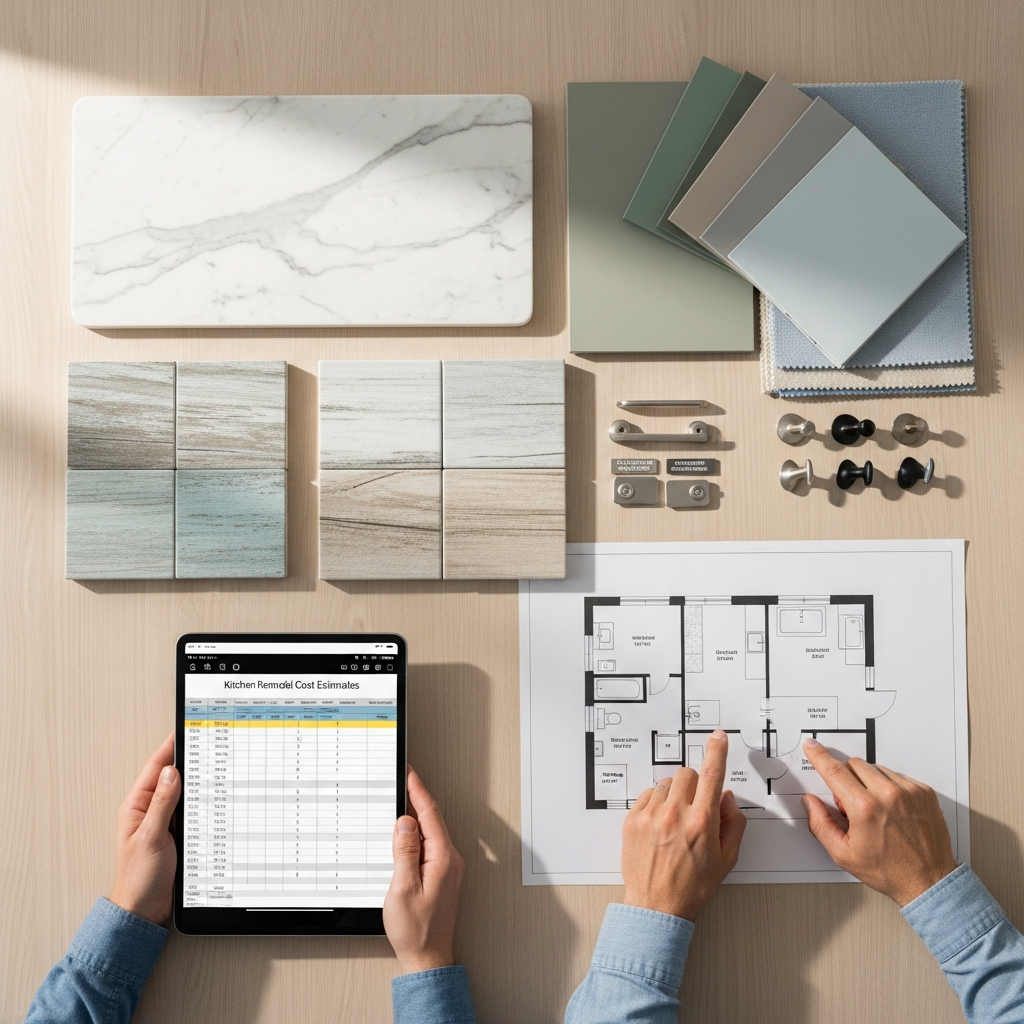
Ask ten homeowners in Huntington Beach about kitchen remodeling “cost per square foot,” and you’ll hear ten different numbers delivered with equal confidence. The truth is more nuanced. While the metric sounds tidy, kitchens resist simplification because they’re dense with systems, finishes, and details that vary widely from home to home. Instead of trying to pin your future kitchen to a single figure, it’s far more useful to understand what drives a project’s financial scope and how to plan with those drivers in mind. As a local designer–builder, I’ve learned that the best outcomes come from clear goals, careful sequencing, and smart choices that reflect how you live. If you want a primer on what shapes realistic planning in our area, you can explore a grounded perspective on kitchen remodeling that connects vision to execution.
Why does cost per square foot feel slippery for kitchens? Because square footage describes area, not complexity. A 180-square-foot room with new cabinets in the same layout and a few appliance upgrades is a very different project than a 180-square-foot room where we open a wall to the patio, relocate the sink to capture sunlight, re-route ventilation, and integrate a walk-in pantry. Same size, wildly different scope. Add our coastal conditions—salt air, bright sun, and frequent indoor–outdoor flow—and you can see why the per-square-foot shorthand tends to mislead.
Scope and Systems Trump Simple Math
Kitchens concentrate mechanical, electrical, and finish work. Even modest changes can ripple. Swapping a range for a cooktop and wall oven reshapes cabinet planning and electrical runs. Moving a sink changes plumbing and often countertop seam strategy. Upgrading ventilation may involve duct rerouting. Each decision touches other decisions, and the cumulative effect defines the project far more than room size does.
In Huntington Beach, scope conversations also account for exposure. If you open windows often, we’ll specify finishes and hardware that stand up to moisture and salt. If your kitchen connects directly to a sun-washed patio, we’ll consider glare management and floor transitions to keep the room comfortable day to day. These choices improve longevity and livability—two words that matter more than any per-foot estimate.
Layout: The Great Multiplier
Layout drives complexity, and complexity drives timeline and coordination. Retaining the existing utility locations tends to simplify; reimagining the room to align with how you actually cook and gather can be transformational but involves more moving parts. Neither path is right or wrong; the right path is the one that supports your life. I’ve seen families in the Seacliff area double their prep efficiency by re-centering the island and introducing a dedicated beverage station. I’ve also seen downtown cottages gain a new lease on life simply by removing a blocking peninsula and widening a doorway. Both outcomes are wins, and both defy tidy per-foot comparisons.
Material Choices and Coastal Durability
Material selection shapes not only style but also performance. Cabinet finishes that shrug off humidity, hardware with corrosion resistance, and countertops that suit your cooking habits are smart investments near the ocean. Flooring has to negotiate sandy feet and the occasional splash. These are everyday realities in Huntington Beach, and planning for them means your kitchen will age gracefully. The conversation is less about what’s trendy and more about what feels right for your home and will still feel right years from now.
Appliance selection influences both design and preparation. A panel-ready refrigerator changes cabinet layout. A double-oven range might redefine the scale of the cooking wall. Ventilation sized to the appliance prevents residue and keeps the room fresh. Each move connects to the next, which is why a holistic plan beats any rule of thumb based solely on room size.
Permitting, Inspections, and Local Rhythm
Every remodel here dances with the city’s permitting and inspection cadence. Projects that include structural changes, electrical updates, or plumbing work will engage with the local process. Teams with Huntington Beach experience tend to anticipate required documentation and weave inspection windows into the schedule. That foresight isn’t a side note; it’s a pillar that keeps your project moving and protects your home for the long haul.
Why Two Same-Size Kitchens Can Diverge
Consider two kitchens of equal size in different neighborhoods. One is a straightforward update with surfaces, lighting, and modest appliance changes. The other involves enlarging an opening to the backyard, adding a pass-through window, and integrating a breakfast pantry with pocket doors. The second will naturally involve more disciplines—framing, structural engineering review, exterior finishing, millwork coordination—than the first. A per-square-foot lens obscures these differences, which is why we prefer a scope-first approach that respects the story of your home.
Planning for Function First
Function clarifies investment. If you frequently host, we’ll give space to serving zones and add seating that doesn’t pinch the cook. If you meal-prep on Sundays, generous counter runs and under-cabinet lighting become nonnegotiable. If weekday mornings are hectic, a dedicated coffee and breakfast station smooths the rush. These priorities influence layout, storage, and electrical planning—grand determinants of the project as a whole.
Lighting and Ventilation: Quiet Champions
Lighting is where many kitchens graduate from okay to excellent. We layer light for tasks, mood, and display, choosing fixtures that keep shadows off work surfaces and set a welcoming tone after dark. Ventilation design happens in parallel to ensure cooking byproducts don’t linger, particularly important when salty breezes and open windows are regular guests. These systems protect finishes, safeguard indoor air quality, and support the way you experience the room.
Sequencing and Lead Times
Coastal life brings visitors, festivals, and a general buzz that ebbs and flows through the year. Construction has its own seasons as well. Coordinating material lead times, inspection availability, and trade schedules takes finesse. A clear sequence—design development, selections, permitting, ordering, and then construction—lets you live your life while the remodel advances with steady momentum. Strong communication reduces friction when an item arrives early or a component needs a quick substitution.
Square Footage Still Has a Place—With Context
We don’t discard square footage; we contextualize it. It provides a yardstick for cabinet runs, flooring quantities, and sometimes a rough sense of how long certain tasks may take. But when homeowners ask for a per-square-foot figure, we pivot to a conversation about goals, constraints, and the realities inside their walls. That’s where a remodel earns its value—by aligning finish, function, and comfort.
If you’re sifting through ideas and spreadsheets, it can help to talk with a local team about how scope and sequencing set expectations. A practical perspective on kitchen remodeling will anchor you in realities that matter more than formulas, helping you choose where to focus for the biggest day-to-day payoff.
Frequently Asked Questions
Is cost per square foot useful for early planning?
It can offer a rough frame of reference, but it blurs crucial differences in scope, complexity, and material choices. Early planning is stronger when it starts with goals, existing conditions, and how the room needs to perform for your household.
Why do kitchens of similar size vary so much in investment?
Because size doesn’t capture layout changes, system upgrades, structural adjustments, or finish selections. Two rooms with identical footprints can have completely different needs and priorities, which shape the overall plan.
How do coastal conditions affect a remodel?
Salt air and bright light influence materials, hardware, and even window and door specifications. Planning with these realities in mind ensures durability and comfort. The goal is a kitchen that welcomes open windows and frequent patio use without premature wear.
Can we remodel in phases to manage disruption?
In some cases, yes. Phasing can maintain livability during construction, especially when schedules are tight. A well-structured plan outlines what gets done when and how temporary setups will work so daily routines stay intact.
What decisions have the biggest impact on value?
Layout, lighting, storage, and ventilation. These core elements define how the kitchen functions. Finishes express personality, but the framework underneath is what makes a kitchen delightful day after day.
If you’re ready to translate ideas into a plan grounded in your home’s realities, connect with a local team that knows Huntington Beach inside and out. Start a conversation today and see how expert kitchen remodeling can turn square footage into a kitchen that feels right every time you step inside.