
Learning from the Coast: Common Pitfalls and How to Dodge Them
Huntington Beach is a place where homes breathe with the ocean. We swing doors open to afternoon breezes, rinse sand from our feet before dinner, and gather friends in backyards that feel like second living rooms. Renovating here is a joy—and a responsibility. The coast rewards forethought and punishes shortcuts. After years of walking jobsites from Downtown to Seacliff and the neighborhoods beyond, I’ve seen patterns repeat. This guide unpacks the most common mistakes and shows how to steer clear of them, so your project flows from first sketch to final walkthrough with the calm confidence you deserve. And because integration beats improvisation, I’ll point to the benefits of a design-led home renovation approach throughout.
Skipping the Deep Dive into Existing Conditions
Many problems start with what you can’t see. Older homes—and even younger ones layered with past fixes—hide stories in their walls and attics. Ignoring those stories during planning invites mid-project detours. The cure is simple: investigate early. Selective demo, attic crawls, and camera inspections take the guesswork out of structural loads, vent paths, and plumbing quirks. In a beach town, look closely for moisture travel, corrosion on fasteners, and signs of past water entry. When you understand the bones, designs become sharper and estimates steadier, setting your team up to navigate the build without drama.
Underestimating Coastal Wear and Weatherproofing
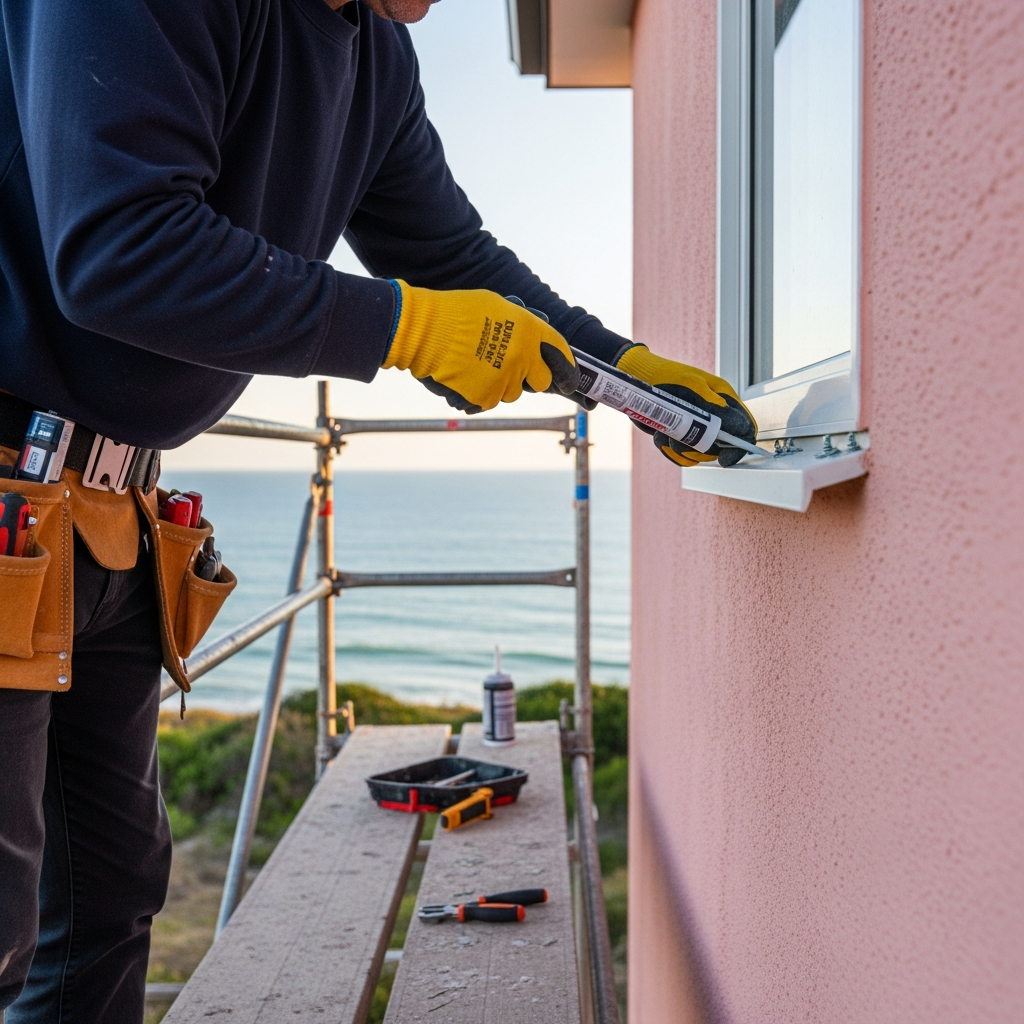
Salt, sun, and wind are relentless teachers. Exterior assemblies thrive on thoughtful layering—flashings that kick water out, sealants compatible with both surfaces, and fasteners that don’t surrender to corrosion. Interiors benefit from balanced ventilation that keeps humidity in check. Too many projects skimp on these invisible details, only to pay the price later with swollen trim, stained ceilings, or stubborn doors. The fix is to specify robust details from the outset and insist on field mockups where transitions matter most: window-to-stucco interfaces, deck-to-wall edges, and threshold pans beneath large sliders.
Letting Per-Square-Foot Myths Drive Decisions
It’s tempting to treat cost per square foot like gospel, but on the coast, nuance rules. Kitchen and bath complexity, structural moves for big openings, and corrosion-resistant assemblies all change the calculus. Trust the metric as a rough plotting tool, then switch to a project-specific plan that reflects your home’s realities. When teams cling to a single number, they make brittle choices—trading away performance or design intent to fit a false target. A better path uses real assemblies and logistics to shape expectations and protect the outcomes that matter most.
Choosing Materials that Don’t Love the Beach Back
Some finishes look gorgeous in a showroom but wilt by the ocean. Hardware that pits, coatings that chalk, and decking that fades too fast can steal joy from spaces you meant to celebrate. Select with the salt air in mind. Ask how a material ages, how it’s maintained, and what the installer recommends for the transition details that keep water out. Inside, prioritize surfaces that shrug off sand and moisture. You can still craft warmth and character—just do it with products that are proven in coastal homes so beauty lasts beyond the first summer.
Overlooking Ventilation, Insulation, and Comfort
Huntington Beach’s temperate climate encourages open windows and doors, but that doesn’t mean you can ignore the building envelope. Proper insulation, air sealing, and quiet, right-sized HVAC make homes feel calm year-round. Balanced ventilation keeps indoor air fresh even on foggy mornings and humid afternoons. Skipping these fundamentals leads to rooms that never quite settle—too drafty, too sticky, or too noisy. Bring performance into the conversation early and give it the same respect as finishes. Comfortable homes show their quality in ways guests can’t see but everyone can feel.
Neglecting Structural Strategy for Open Concepts
Those beautiful wide openings to the yard, that seamless line from kitchen to living room—these are the hallmarks of coastal living. They also hinge on structure. Removing bearing walls, threading ducts through tight spaces, and quieting floor deflection upstairs require engineering and exacting execution. Rushing this step or assuming a quick fix can leave you with awkward posts, bulky soffits, or doors that don’t glide as they should. Start with a structural concept that supports the architecture you envision, and invite trades into the conversation before details are set in stone.
Forgetting That Schedule Is a Design Decision
Sequencing shapes experience. If you plan to live at home during construction, phasing decisions determine which rooms stay usable, where dust barriers go, and how you move through the house each day. Leaving schedule to chance turns renovation into a slog. The better approach designs the calendar with the same care as the floor plan, building in buffers for inspections, weather quirks, and selections. In tight-lot neighborhoods, it also means coordinating deliveries and parking to keep peace on the block and momentum on site.
Working Without a Clear Change Process
Change is inevitable—new ideas surface, discoveries arise inside walls, inspiration strikes at a tile showroom. What derails projects isn’t change itself but ambiguous processes. Without a defined path—written descriptions, confirmed impacts on time, and a sign-off—choices linger and morale dips. Establish a simple, transparent routine. You’ll make better decisions faster, and the team can pivot without chaos. In communities where neighbors live close, less chaos means quieter days, fewer surprises, and a smoother path to the finish.
Overcomplicating or Oversimplifying the Permit Strategy
Permits aren’t red tape for its own sake; they are the backbone of safety and community standards. Some homeowners underestimate what requires review, while others overcomplicate submittals with guesswork. The sweet spot is clarity: coordinated drawings that align architecture, structure, energy, and green measures, with a submittal strategy that reflects your exact scope. If you’ll phase work to remain in the home, bring inspectors into the plan so expectations are shared. A steady, respectful approach to permitting saves time and reduces rework—two gifts that keep the project joyful.
Ignoring the Realities of Living Near the Ocean
Coastal life is a daily dance with salt, sun, and wind. Patio doors appreciate regular cleaning and lubrication. Exterior sealants need scheduled checkups. Decks earn a little seasonal attention. Plan for this maintenance from the start. Ask your team to include care guides and walk you through assemblies that matter most: how to flush weep holes, where flashing paths run, which finishes prefer shade. When stewardship becomes habit, the home rewards you with years of reliable performance and that easy rhythm Surf City is known for.
Underinvesting in Preconstruction
The quiet work before demolition—measuring, modeling, engineering, selections—pays exponential dividends later. Skipping steps to “get started” often means circling back in the field where changes cost time and energy. In Huntington Beach, where access can be tight and logistics complex, preconstruction aligns everyone on what’s being built and when. Trade partners can flag conflicts, lead times get locked, and material mockups settle decisions. When construction kicks off, the site feels calm, and progress reads as a steady line instead of a scatter plot.
Not Respecting Neighbors as Stakeholders
In close-knit neighborhoods, considerate construction is part of good citizenship. Without a plan, noise, parking, and debris can strain relationships. Good teams set expectations early: work hours, delivery windows, staging plans that keep sidewalks clear. They share milestone dates so neighbors aren’t surprised by louder phases. This isn’t just about courtesy; it’s about smoothing the job. When the block is on your side, deliveries land on time, access stays open, and stress levels drop for everyone.
Letting Selections Drift
Design momentum can slow when selections linger undecided. That drift ripples through procurement and schedule, sometimes forcing substitutions that don’t fully fit the original intent. A better pattern is to front-load key choices—windows and doors, plumbing, lighting, flooring—so lead times are known and installation sequences are locked. In a coastal city where popular finishes can be in high demand, timely selections keep your project in the fast lane.
Accepting “Good Enough” on In-Progress Work
Quality is a habit built daily. If gaps in weather barriers, misaligned tile, or sloppy sealant joints slide early, they tend to multiply. The remedy is consistent quality control: pre-cover inspections, mockups for critical interfaces, and open communication when something doesn’t look right. Encourage your team to pause and correct with pride. On the coast, the elements magnify shortcuts; craftsmanship is the shield that keeps your home looking and performing its best long after the final sweep.
Forgetting to Plan Post-Completion Life
A great renovation doesn’t end at the final inspection; it begins a new chapter in how you live at home. Ask for labeled panels and valves, maintain a digital binder of manuals and finishes, and schedule a seasonal walkthrough to review exterior care. These small habits build confidence and keep systems humming. In Huntington Beach, where sand, sun, and salt add spice to daily life, a little stewardship goes a long way toward preserving beauty and comfort.
Mid-Project Checkpoints that Keep You on Course
Halfway through is the perfect time to recalibrate. Confirm that selections still align with your initial goals, and verify that structural and systems work supports the architecture you envisioned. Revisit your reasons for starting a home renovation—a kitchen that opens to evening light, a primary suite that calms after busy days, a layout that hosts friends without crowding. These check-ins restore clarity and energize the team for the final stretch.
Frequently Asked Questions
Q: Can I live at home during construction? A: Often yes, with a phased plan that includes dust control, temporary facilities, and respectful scheduling. Address this early so the strategy is baked into the plan.
Q: How do coastal conditions affect material choices? A: Salt and sun reward products with proven durability and hardware that resists corrosion. Ask how each finish ages and what care it needs near the ocean.
Q: What’s the biggest scheduling mistake? A: Treating schedule as an afterthought. Good teams design sequencing with the same care as the floor plan and build in buffers for inspections and logistics.
Q: Do I really need to investigate existing conditions? A: Absolutely. Selective demo and inspections sharpen designs and reduce surprises, making the build smoother and more predictable.
Q: How can I keep changes from derailing the project? A: Use a simple, transparent change process with written descriptions and confirmed impacts on time. Decisions land faster and with less stress.
Ready to Renovate with Confidence
Renovation on the coast is most rewarding when it’s intentional from day one—clear goals, thoughtful assemblies, patient craft, and neighborly grace. If you’re ready to start a conversation that translates vision into a step-by-step plan, reach out to a local team that integrates design, engineering, and construction. Together we’ll craft spaces that welcome ocean light, stand up to the elements, and serve your family for years to come. When you’re set to take the next step in your home renovation, let’s connect and map the path that brings your Surf City home to life.