
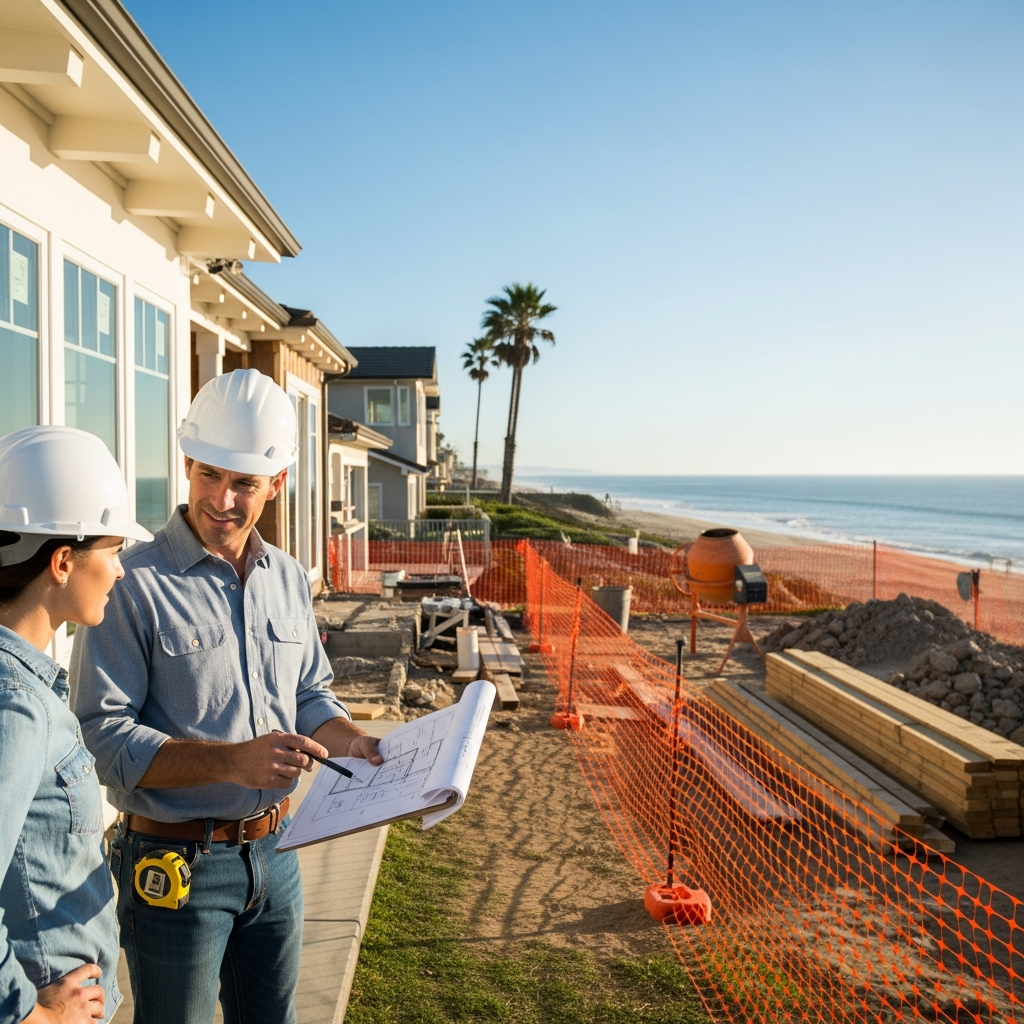
What Trust Really Means in a Beachside Renovation
In Huntington Beach, the line between house and lifestyle is thin. We open our sliders to the ocean air, we entertain in backyards, and we expect our homes to flex between laid-back mornings and lively evenings. When you invite a contractor into that world, trust becomes more than a handshake—it is the foundation for design choices, schedule commitments, and jobsite etiquette that respects neighbors and coastal conditions. A trusted contractor is a partner who translates your vision into craft while guiding you through logistics and rules unique to Surf City. From the start, an integrated home renovation approach helps ensure design, engineering, and construction stay aligned under one accountable umbrella.
Local Knowledge You Can Feel
There is a cadence to working in Huntington Beach that outsiders don’t always recognize. Morning fog can stall exterior work until the sun breaks. Tight lots make deliveries and parking a daily puzzle. Coastal air demands materials and hardware that age gracefully despite salt and sun. Trusted local contractors build estimates and schedules that account for these realities instead of treating them like afterthoughts. They know which inspectors look for extra detail on weather barriers, which neighborhoods have narrow access, and how to sequence work so families can remain at home without undue disruption.
Licensing, Insurance, and Clear Roles
Credentials are the minimum standard for trust. In California, contractors carry specific licenses for the work they perform, maintain insurance, and operate with written contracts that define scope and responsibilities. But the most reliable pros go further, outlining who will be on site, how communication flows, and when decisions are needed. They designate a project manager who is responsive, a superintendent who oversees daily quality, and trade partners who are vetted for skill and professionalism. Clarity like this reduces friction, which means fewer surprises and a smoother path to the finish line.
Design-Build or Design-Bid-Build: Choosing the Right Path
Both delivery models can produce great outcomes, but they feel different. In design-bid-build, you complete drawings and then solicit bids. In design-build, one team carries the design and construction together. Huntington Beach homeowners often gravitate to design-build because the coastal setting rewards close coordination: structural choices interact with HVAC routes, window packages shape waterproofing details, and material lead times can challenge schedules. When the same team manages these interdependencies, trust grows naturally from transparency, and decisions land faster with less back-and-forth.
Communication Habits that Predict a Good Experience
Trusted contractors communicate with rhythm and substance. Weekly check-ins keep everyone aligned, and meeting notes document decisions so they don’t drift. Collaboration tools and simple photo logs help homeowners stay informed even on busy days. Clear change processes—what triggers them, how they’re priced, how they affect time—replace confusion with calm. In beach neighborhoods where neighbors live close, proactive communication beyond the property line also matters. Courtesy notices for noisy work, defined delivery windows, and respectful parking build goodwill that echoes through the entire project.
Estimating with Integrity
Integrity in estimating means resisting the temptation to gloss over site realities or to rely on allowances that are divorced from your goals. Instead, a respected contractor digs into existing conditions, partners early with engineers and trades, and highlights the cost drivers that matter most: structural implications, window and door packages, weatherproofing details, and phasing strategies if you’re living in place. When the team explains not just what they plan to do but why, you can sense the difference. That is trust you can measure in confidence, not just paperwork.
Workmanship You Can See—and Not See
Quality shows up in ways both obvious and hidden. You’ll see it in crisp tile lines and well-scribed trim, but you’ll also feel it in quiet ductwork, draft-free windows, and doors that glide smoothly. Along the coast, good contractors obsess over flashing details, sealant specifications, and fasteners that resist corrosion. They test systems before closing up walls and invite you to walk the site to understand the care going into assemblies you’ll never see again. When the bones are right, finishes sit beautifully and the home performs the way it should through seasons of salt air and sun.
Scheduling that Respects Real Life
Renovations are marathons with sprints built in. Trusted contractors build schedules around inspections, lead times, and the daily realities of a lived-in home. If you’re staying through construction, they’ll design phases that preserve a temporary kitchen or a quiet bedroom. They’ll post a daily plan, control dust, and clean up so you can reclaim your evenings. In Huntington Beach, where outdoor living rooms are extensions of the home, smart sequencing keeps patios accessible when possible and avoids stacking noisy tasks at the same time.
Safety, Cleanliness, and Neighborly Courtesy
Jobsite safety isn’t just a compliance box; it’s a culture. Crews who take pride in clean, organized sites are the same crews who respect your family’s routines and your neighbors’ peace. Temporary fencing, protective floor coverings, and smart storage keep hazards at bay and prevent damage. Courtesy extends outward too: staging that keeps sidewalks clear, waste handled promptly, and delivery windows that avoid school traffic or street sweeping days. In neighborhoods where homes sit shoulder-to-shoulder, this kind of care is the difference between a smooth project and daily friction.
References that Speak in Details, Not Generalities
When you check references, listen for specifics. Did the contractor explain options and trade-offs? Did they respond quickly to questions? How did they handle the inevitable surprise inside a wall? Were inspections smooth? Were punch lists short? In Huntington Beach, ask former clients how the team navigated coastal details—windows, stucco, decking—and whether neighbors remained happy throughout. Detailed praise reveals strong systems, not luck, and it is the best predictor of how your experience will feel from kickoff to closeout.
Transparency Through Changes
Even with a crisp set of drawings, projects evolve. Maybe you find a tile you love or decide to add built-ins. Trusted contractors treat these changes as part of the process, not as a source of tension. They provide written descriptions, update timelines, and discuss how decisions affect downstream tasks. That transparency invites confident choices rather than hesitation, and it keeps your renovation’s story coherent from early sketches to the moment you turn the key on a transformed space mid-breeze on a Huntington evening.
Collaboration with Architects, Designers, and Engineers
Great contractors don’t work in isolation. They value the creative spark of designers and the rigor of engineers, and they foster a team dynamic that elevates the whole project. In coastal homes, coordination around openings, structural loads, waterproofing, and mechanical pathways is vital. Trusted teams convene early, reconcile details on paper before they become issues in the field, and bring trade partners into the conversation so the plan honors both design intent and buildability.
Mid-Project Reality Checks
Halfway through a renovation is when trust earns its reputation. The schedule tightens, inspections ramp up, and selections lock. Savvy contractors host midpoint reviews to confirm priorities, track long-lead items, and refine sequencing. It’s also a good time to revisit the goals that shaped your home renovation in the first place, ensuring the finished spaces still align with the reasons you started—the way morning light hits a kitchen, the connection from living room to yard, the quiet of a new primary suite above the waves’ soft hush.
Closeout that Sets You Up for Success
At the end, trust looks like a home that’s as understandable as it is beautiful. You receive as-builts, warranties, and labeled panels and valves. Your contractor walks you through care for materials and systems, answering questions so you feel confident. A final punch list gets resolved promptly, not in slow motion. In Huntington Beach, where life gravitates to the outdoors, that might include maintenance tips for coastal finishes and seasonal checkups that keep salt and sun from gaining the upper hand.
Frequently Asked Questions
Q: How do I evaluate whether a contractor is a good fit? A: Look for clarity in scope, schedule, and communication. Ask for detailed references and tour a current job if possible to see systems in action.
Q: Should I choose design-build or separate design and construction? A: In coastal settings like Huntington Beach, design-build often streamlines decisions and reduces friction, but either model works with a collaborative team.
Q: What makes coastal projects different? A: Weatherproofing, corrosion resistance, and sequencing around fog, wind, and sun all matter. Local familiarity helps avoid repetitive pitfalls.
Q: Can I remain in the home during work? A: Often yes, with a phased plan that manages dust, noise, and access. Discuss this early so the schedule reflects livability strategies.
Q: How do contractors handle changes midstream? A: Reputable teams document changes, explain implications, and adjust timelines transparently, preserving trust and momentum.
Ready to Build with Confidence
If you’re searching for a team that blends craftsmanship with clear communication, start with a conversation that maps your goals to a practical plan. Walk the site together, talk through priorities, and set a cadence for updates that keeps everyone aligned. In a city where the ocean shapes both aesthetics and logistics, choose partners who honor that context and guide you through each step with care. When you are ready to take the next step in your home renovation, reach out to a local, integrated team that treats trust not as a slogan but as a daily practice.